
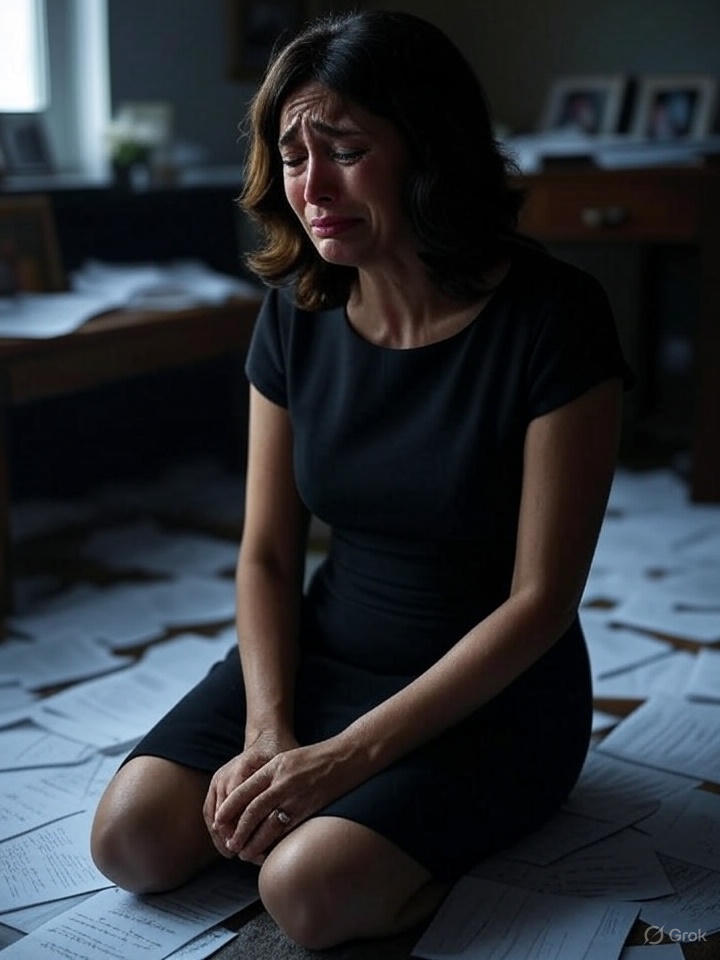
Most people don’t realize how many decisions have to be made within the first 24–72 hours after a loved one dies—until it happens to them. When there’s no plan in place, families are suddenly forced into the role of event planner, financial coordinator, and emotional spokesperson all at once. And they’re doing it in the middle of deep grief.
I’ve sat with families during this time. I’ve watched the fog roll in behind their eyes as the funeral director starts asking questions like:
Burial or cremation? Open casket or closed? Religious service or secular? Which casket? What kind of flowers? Who should speak? Do you have clothing for your loved one?
That’s just the start. There are dozens more.
With no guidance left behind—no funeral wishes, no pre-paid arrangements, not even a written note—it often becomes a guessing game. And when you’re grieving, you want to “do it right.” That often leads to emotional overspending.
You say yes to the upgraded casket. You say yes to more flowers. You agree to the polished obituary service and the slideshow and the catered reception. Not because you planned for it, but because it feels like the only way to show love, to prove care, or to ease guilt.
This isn’t about blaming families for spending too much. It’s about how hard it is to make good decisions in crisis. It’s about how grief clouds logic and opens the door for overspending—because your heart is broken and you’re trying to honor someone who didn’t leave a map.
Here’s what many families don’t realize until it’s too late:
Funeral homes are businesses. Many are wonderful, compassionate people—but they are still offering a menu of services during your most vulnerable moment. The average funeral costs between $7,000 and $12,000, and that number can rise quickly with add-ons. Disagreements often erupt between family members who have different ideas about what their loved one “would have wanted.”
This is why we plan. Not to take the emotion out of loss—but to ease the burden when the time comes. A written plan, even a simple document with basic preferences, can save families from both overspending and infighting. It gives clear direction. It gives space to grieve without guesswork.
If you’re reading this and you haven’t made your wishes known—this is your invitation to start. You don’t have to figure it all out today, but you do have to begin.
A Legacy Binder isn’t just paper. It’s peace of mind. It’s protection for your loved ones during one of the hardest weeks of their lives.
Let them grieve you. Not guess for you.
 Life: Sorted – Document Preparation, Consulting, and Legacy Planning Services
Leave a comment